Digital Equality and Inclusion
- porchevr
- Nov 26, 2021
- 2 min read
Updated: Nov 30, 2021
Why it matters!
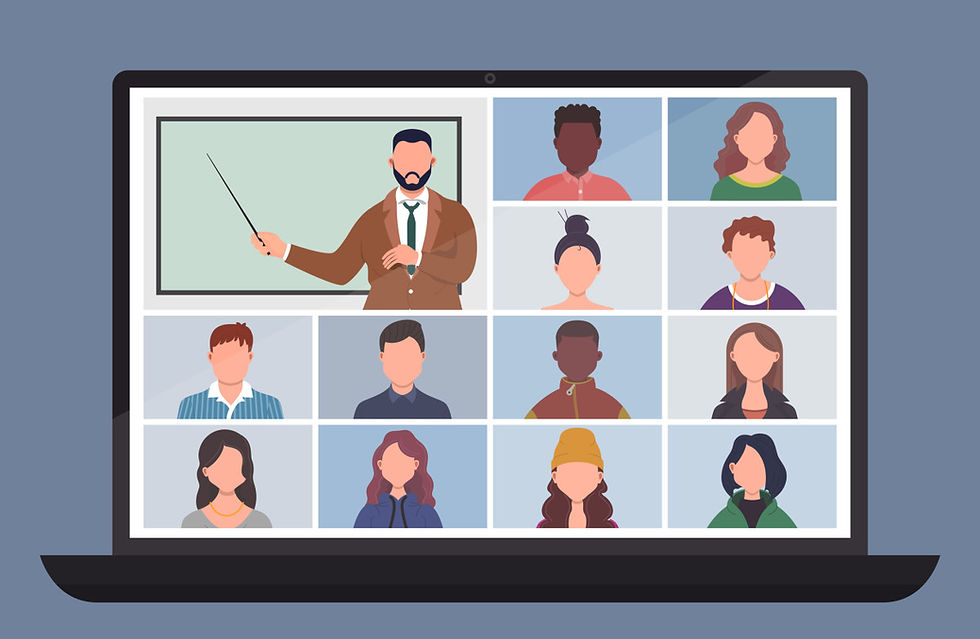
As a teacher in a title one school, I have witnessed first hand the need for digital equity and inclusion in our schools. When the COVID-19 pandemic shut down schools, teachers and families were faced with the decision to provide education for their students at home. The problem arose when many of the students and families were unable to reach their online education because of lack of digital equity at home. I could create the best possible online classroom experiences, but if I was not able to reach 80% of my class, I was failing as an educator and the school system was failing the students as well.
Some of the factors that led to this disadvantage included students not having internet at home, and students not having a device to use at home other than possibly a cell phone for only a few minutes a day because of lack of minutes. In a world of which almost everything we do is provided though online access, it really opened my eyes to the inequality that low income families face everyday. Students must first have the means of technology to be able to learn at home. However, most of my students did not even have internet to use a loaned device. We as teachers can teach digital literacy all day long to students, but if their parents can not afford internet, they are at a disadvantage early in life. Society had become a technology based world. When we have children starting out on an uneven playing field early in life, we are setting up inequality in their education as well as their futures.
There are several aspects that contribute to digital inequality or the digital divide. The main factor for parents of the students that I teach is income. Many of my students parents can not afford internet or devices for their children. So how do we as educators and society address this digital inequality?
Possible solutions
All students should be assigned a personal computer device to use at school and at home.
All students should have internet access at home provided by the school systems.
All students should be taught how to be a good digital citizen and learn how to be responsible and safe on the internet.
Final Thoughts
In a ever changing technological society, it is our duty to provide all students with digital equity in order to provide a meaningful and proactive education to prepare them for the future.

Want to learn more about digital equity and the digital divide? Here are some more resources.
Comments